First friendships: play, turns and room for feelings
Play & development
First friendships: play, turns and room for feelings
Sources checked · Editorial guide
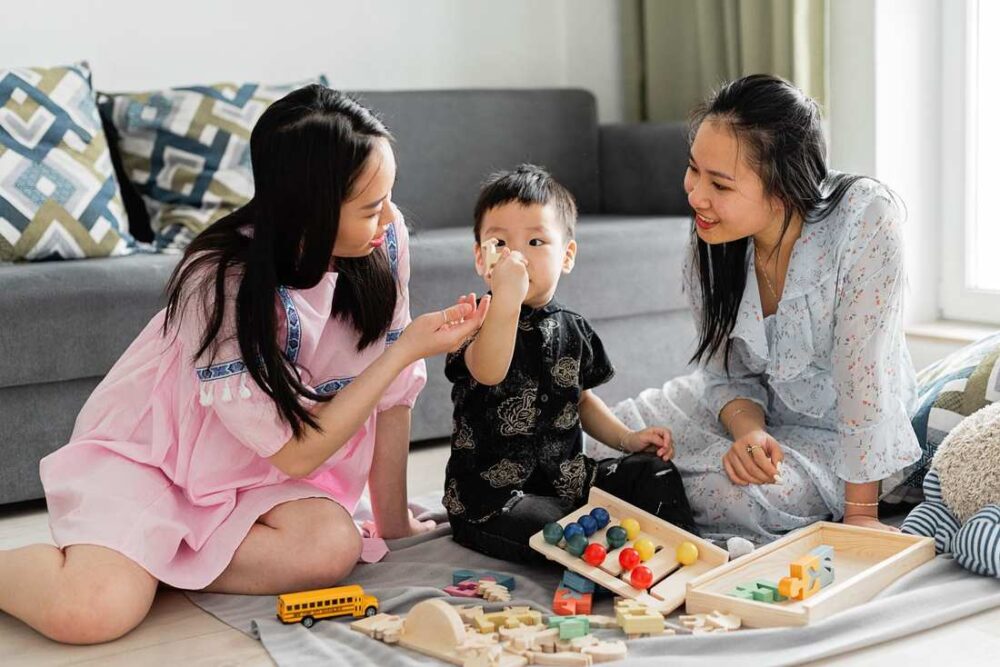
A preschool playdate may include enthusiastic greetings, two children wanting the same object and one child deciding they prefer to play nearby. Adults can help without directing every minute or expecting a friendship to look like an adult one. This guide offers practical ways to prepare the space, respond to conflict and talk about social experiences afterwards.
Expect different kinds of play
HealthLink BC describes a gradual move from playing near other children towards more shared play and friendships across the preschool years. Children develop at different rates and still need guidance with feelings and limits. Playing alongside someone can be worthwhile; it is not necessary to require constant cooperation for the time together to count. [1]
Look at what the children are actually doing before interrupting. They may be using separate blocks while enjoying each other’s company. Ask whether anyone needs help rather than insisting they combine their projects or take on the roles adults imagined for them.
Avoid announcing that another child must be their best friend. Let the children express preferences while adults maintain respectful behaviour. A child can decline a game or physical affection without permission to hurt, exclude cruelly or ignore a safety limit.
Set up a manageable first meeting
Choose a time and length that fit the children’s ordinary routine. Tell the other adult about practical needs such as allergies or supervision arrangements. Agree who is staying and who is responsible before treating the visit as a drop-off.
Start with a few appropriate activities instead of emptying every cupboard. A simple drawing area, large blocks or another suitable shared space gives adults a clear view. Keep food preparation, small parts and other hazards under adult control.
Ask your child if one especially treasured item should be put away before the visitor arrives. That is different from demanding they surrender every personal possession to demonstrate generosity. The adult can choose which activities are available for shared use.
Stay available when a conflict begins
CPS recommends clear, brief guidance and acknowledging feelings while maintaining limits. Describe what the child can do and help them find an alternative. Positive discipline teaches skills; physical punishment and shaming undermine that purpose. Your calm presence does not require allowing an action that hurts someone. [2]
Move close enough to prevent grabbing or hitting when needed. Say what you see: “You both want the red truck.” Offer an option you can support, such as another activity while one child finishes a turn. Avoid promising an exact turn schedule the children cannot understand or the adults cannot manage.
If someone is hurt, care for them first and stop further harm. Talk about a different response later, when the child can engage. Do not require an immediate hug or public apology as the only acceptable repair.
Practise taking turns outside an argument
Use a calm activity with a natural back-and-forth: adding a block, rolling a suitable ball or choosing a page in a book. Say whose turn it is and help the child participate. Keep practice short enough that it remains enjoyable.
You can model asking for something and accepting a refusal when appropriate. “May I use that when you are finished?” is different from telling a child that asking politely guarantees access. Help them find another option if the answer is no.
Notice a specific action that went well: waiting briefly, asking for help or making room. Do not compare the children’s generosity or label one as always easy and the other as difficult. They are learning in a particular moment, not auditioning for a permanent role.
Give children a way to ask for space
Teach a simple phrase or gesture for a break and show where an adult can help. A quieter activity may be useful if a group becomes overwhelming. Do not require every child to join a noisy game because it is supposed to be social.
At a playground, stay attentive to access and safety while allowing suitable exploration. Another child’s parent is not automatically responsible for yours. If an adult must leave, agree the supervision handover explicitly.
Talk afterwards without conducting an interview
Ask one concrete question or share an observation: “You built a long road together.” Leave room for the child’s account. If they describe something upsetting, listen and clarify without immediately supplying a motive for the other child.
For a repeated concern, speak privately with the responsible adult or educator. Ask what happened, what supervision is in place and how the situation will be reviewed. Avoid discussing another child’s personal difficulties in a public parent group.
Include children who need different support
Ask the family or educator what helps rather than assuming a child who communicates or plays differently is not interested. Adapt the space, activity or pace when possible. Respect communication tools and do not remove them to make the activity appear more typical.
HealthLink BC advises discussing concerns about development, behaviour or loss of abilities with a health professional. Bring specific observations if social difficulties are persistent or distressing. A guide cannot diagnose a child from how one playdate went, and you can request help without deciding a diagnosis first. [1]
Keep the next step small
Choose one manageable adjustment for the next meeting: fewer activities, a different time or an adult closer during a recurring conflict. Friendships grow through ordinary experiences and support. Your role is to keep those experiences safe and respectful while children practise the skills they are still learning.
Sources and further reading
Our practical examples and planning tools are original editorial suggestions. Health and safety points are linked to the Canadian sources below. Checked October 20, 2026; this article has not been medically reviewed.
General education for parents and caregivers. These guides do not assess your child or replace care from a qualified professional. For advice about your pregnancy or child, contact your care team.
Stay a little longer
More for this chapter.

Everyday care
Toilet learning at your child’s pace
Look for readiness and make practice comfortable, calm and pressure-free.
Play & development
A day with room to move, rest and play
Make space for activity and rest, with different sleep needs at two and at three to four.
Feeding
Little kitchen helpers: food skills and family meals
Include your preschooler in shopping and preparation while keeping meals relaxed and safe.