Before solids: prepare without rushing
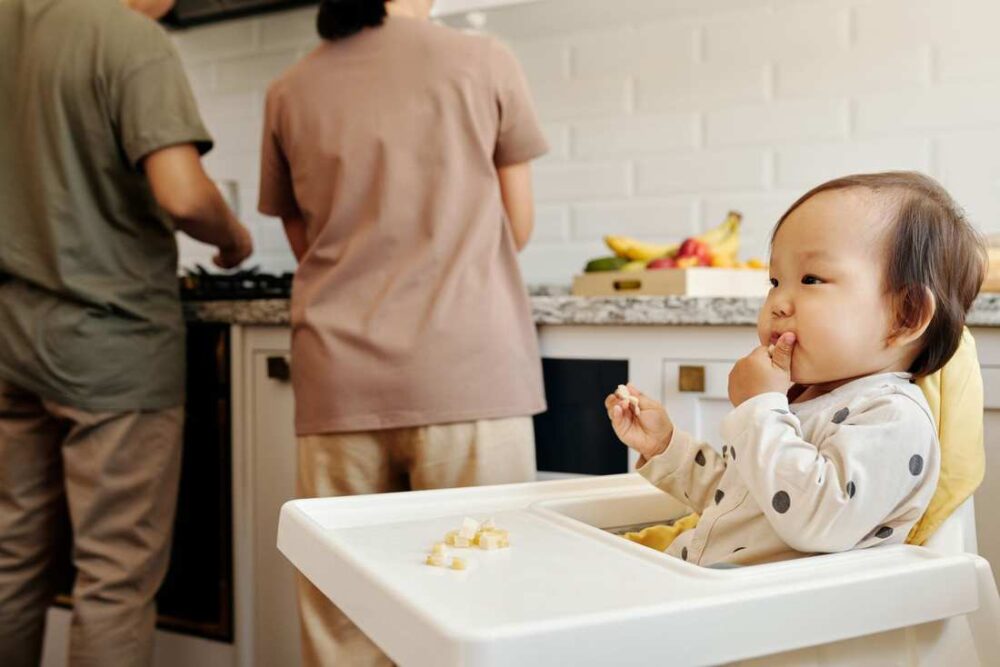
Before the first spoonful, there is useful preparation you can do without rushing your baby into solid foods. This three-to-six-month guide is about getting ready: understanding the broad timing, asking individual questions and setting up a manageable eating space. It is not a reason to start because a product label, photograph or another family’s timetable says you should.
Understand what readiness means
Canadian guidance generally recommends introducing complementary foods at about six months, alongside breast milk or infant formula. The Canadian Paediatric Society explains that developmental readiness matters as well as age. If your baby was premature, has a health condition or has feeding difficulties, ask their provider how to assess readiness and timing for them. [1]
HealthLink BC describes readiness signs including holding the head up, sitting upright and leaning forward, accepting food and communicating fullness. Interest in watching you eat is only one part of the picture. Take questions about posture or swallowing to a qualified professional instead of trying to resolve them with a different high chair or spoon. [2]
Make a question list for the next visit: “How will we know our baby is ready?”, “Do we need any individual feeding advice?” and “Is there anything in the baby’s medical history that changes the plan?” Asking ahead can reduce the pressure to make decisions during the first meal.
Keep a short preparation list
Start with what you already own. Look for an appropriate seat with the support and restraint system the manufacturer requires, a small spoon and a cup suitable for learning. Add washable cloths and a simple way to clean the eating area. Check actual product instructions for size, development and positioning requirements.
Separate useful items from optional extras. A specialised food processor, a large set of matching bowls and a subscription meal service are not prerequisites for planning first foods. If you are considering a purchase, ask what specific job it will do, where it will be stored and whether an existing household item can safely do that job.
For a tight budget, make a “now”, “later” and “not needed” list. Buy only after the need is clear. The questionnaire and catalogue can help organise options, but a catalogue age tag does not establish a baby’s readiness or replace a product’s instructions.
Plan who will sit with the baby
Think through one ordinary meal. Where will the adult sit, how will the baby be positioned and what needs to be ready before food is served? Arrange the space so the supervising adult can stay focused rather than leaving to find wipes, a drink or a phone.
If several people feed the baby, agree to use the same written plan. Include the foods being introduced, any professional advice and who to contact with concerns. Ask relatives not to offer an unplanned “little taste” before you have agreed on timing and suitable preparation.
A helpful family message might be: “We are waiting until our baby is ready, around six months, and will share our feeding plan. Please check with us before offering food.” This makes expectations clear without turning mealtimes into a debate.
Make an allergy conversation part of preparation
Ask your baby’s provider about allergy risk, particularly if your baby has eczema or a known food allergy. HealthLink BC recommends introducing common allergens in suitable forms once a baby is ready for solids, offering them individually and continuing tolerated foods regularly. Its advice also explains severe-reaction signs and when to get urgent help. An individual plan may be needed. [3]
Before that discussion, note any diagnosed conditions and what you want clarified. Ask which food forms are suitable, what a reaction could look like, what action to take and whether any introduction should happen with professional supervision. Avoid buying a home allergy test or eliminating whole food groups based on an online story.
Create space for a simple food note if it will be helpful: food, date, form and what happened. This can support a conversation; it is not a way to diagnose an allergy. Ask what information your provider wants and how to contact them if a possible reaction occurs.
Prepare skills as well as supplies
Look into an infant first-aid course from a reputable local provider and check which caregivers could attend. Ask the instructor to cover choking response and the difference between an educational description and a hands-on skill. This guide cannot teach emergency procedures or establish that somebody is trained.
Read the official first-food and choking-prevention material before you need it. Choose a small number of credible pages to bookmark instead of saving dozens of conflicting videos. Write down any instruction you cannot picture and ask for a demonstration from an appropriate professional.
A first-week planning example
An example planning sheet could have four lines: a calm meal opportunity, one food to prepare safely, the adult who will sit with the baby and one question to review. It should not set a target number of spoonfuls or promise a particular result. The purpose is to reduce last-minute decisions while leaving room for the baby’s response.
Plan the adult’s meal too. If everyone is hungry and rushing, the setup may be harder than it needs to be. Choose a time that is manageable for your household rather than the most photogenic meal of the day.
What to do this week
- Ask your care team about readiness and individual needs.
- Review seating and feeding items you already own.
- Bookmark official first-food, allergy and choking guidance.
- Agree on a shared caregiver plan and a way to ask questions.
- Leave purchases and the first meal flexible until your baby is ready.
Starting foods is a process of learning together. Preparation should make that process calmer; it should not become a countdown that makes you ignore your baby’s development or professional advice.
Sources and further reading
Our practical examples and planning tools are original editorial suggestions. Health and safety points are linked to the Canadian sources below. Checked October 20, 2026; this article has not been medically reviewed.
General education for parents and caregivers. These guides do not assess your child or replace care from a qualified professional. For advice about your pregnancy or child, contact your care team.
Stay a little longer
More for this chapter.
Play & development
Everyday floor play without a pile of toys
Simple, supervised play gives your baby time to explore with you nearby.

Safety
Baby carriers: fit, breathing and a practical first outing
Check the baby’s fit, your comfort and the instructions before relying on a carrier.

Everyday care
Baby vaccinations: prepare, comfort and follow up
Keep the record current and make the visit easier for both baby and caregiver.