Outdoor play through the seasons: sun, snow and practical gear
Safety
Outdoor play through the seasons: sun, snow and practical gear
Sources checked · Editorial guide
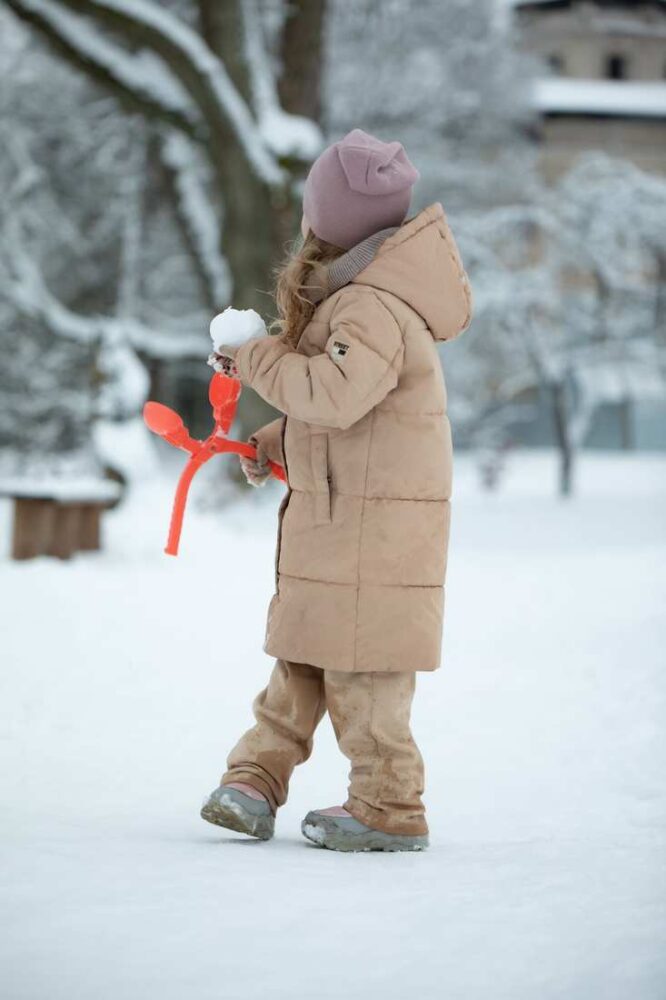
Outdoor play does not have to mean an organised activity, a long drive or a different equipment set for every season. A nearby space with appropriate supervision can offer plenty to notice and do. Canadian weather does call for preparation. This guide helps you plan the location, clothing and adult responsibilities so a simple outing stays practical.
Start with the place and the conditions
Check the local forecast and current alerts before deciding where to go. Consider how quickly you can reach shelter, return home or change wet clothing. The same park can be a different choice during a heat warning, poor air quality or icy conditions.
Look at the route as well as the destination. A difficult road crossing, unmaintained path or inaccessible entrance may change the plan. Ask the venue about current access if needed rather than discovering the only suitable route is closed after you arrive.
Choose a length that fits the child and adults. A short visit can be worthwhile. Keep permission to turn back or change activity without treating the outing as something that must be completed because you packed for it.
Plan shade and sun protection
CPS recommends shade, protective clothing, a suitable hat, UV-protective sunglasses and sunscreen with SPF thirty or higher for exposed skin. Follow the product’s directions and reapply as directed, including after swimming. Children can burn on cloudy days, and hot surfaces can also injure skin. [1]
Find the shade before settling down. Check where it will be as the sun moves, and avoid relying on a single small patch that leaves the child’s play area exposed. Adults need their own protection too; it is difficult to maintain a child’s routine while coping with your own discomfort.
Put sunscreen in the preparation sequence rather than treating it as something to remember halfway through the outing. If another caregiver is taking over, explain what has been applied and what still needs doing. Do not assume a familiar product’s instructions are identical to a different formula.
Make drinks and breaks easy to access
Bring an appropriate drink and offer regular opportunities rather than waiting until the child is distressed. Plan a place to sit and take a break. In hot conditions, choose a cooler time or an indoor alternative when appropriate rather than trying to extend play with extra equipment.
Watch the child’s wellbeing, not only whether the planned activity is finished. If they seem unwell, unusually tired or unable to continue comfortably, stop and assess the situation. Seek medical help for concerning symptoms; an outing plan should never delay care.
Prepare winter clothing around fit and movement
CPS recommends layers, warm dry clothing, covered ears, mittens and appropriate boots, with regular checks and warming breaks. Remove clothing drawstrings that could catch on equipment and avoid loose scarves or mitten strings that create entanglement risks. Keep a warm shelter nearby and follow local weather warnings. [2]
Lay out clothing in the order you use it. Check that footwear fits with the socks you plan to use and that the child can move comfortably. A second-hand item may be useful if it is appropriate, intact and suitable for the conditions; a catalogue age range alone does not confirm fit.
Have a place for wet gear when you return. A simple drying routine can make tomorrow’s outing easier and reveal damaged fasteners before they become a problem away from home. Check belongings after childcare too, rather than assuming the mittens in the bag are dry.
Choose winter play areas carefully
CPS advises keeping children away from roads, roadside snowbanks, snow-clearing equipment and water, and supervising winter play. Snow structures can collapse. Never assume ice on a natural body of water is safe because other people are using it. Choose a suitable maintained setting and follow the responsible authority’s instructions. [2]
For a preschooler, a simple ground-level activity near shelter may be enough: making tracks, noticing shapes or moving snow with an appropriate tool. Specialised activities such as skating or sledding need their own safety preparation, suitable equipment and supervision. This general guide does not cover those requirements in full.
Keep the adult handover clear
Name the adult supervising and explain any boundaries. At a busy playground, agree how adults will manage siblings who want different activities. Another family being nearby does not mean your child has supervision while you leave to fetch something.
Ask a child to tell you before moving to a different area, while recognising that adults remain responsible for watching. A verbal rule is a learning tool, not a physical barrier beside traffic or water. Choose the space accordingly.
Pack for this outing, then review
Make a short list based on destination and conditions: appropriate clothing, drinks, necessary care items and a way to manage used or wet belongings. Keep personal health information private and emergency contacts accessible to the responsible adult.
Afterwards, note one thing that helped and one practical gap. Perhaps the spare mittens mattered, or the walk was too far after childcare. Use that information next time rather than buying an entire new system.
Leave room for ordinary discovery
Let the child notice a leaf, a snow track or a sound without turning the outing into a lesson. You can respond, describe and follow interest while keeping boundaries clear. The aim is a safe, manageable experience together that your household can repeat through changing seasons.
Sources and further reading
Our practical examples and planning tools are original editorial suggestions. Health and safety points are linked to the Canadian sources below. Checked October 20, 2026; this article has not been medically reviewed.
General education for parents and caregivers. These guides do not assess your child or replace care from a qualified professional. For advice about your pregnancy or child, contact your care team.
Stay a little longer
More for this chapter.

Everyday care
Toilet learning at your child’s pace
Look for readiness and make practice comfortable, calm and pressure-free.
Play & development
A day with room to move, rest and play
Make space for activity and rest, with different sleep needs at two and at three to four.
Play & development
First friendships: play, turns and room for feelings
Set up manageable playtimes and coach the moments children cannot yet solve alone.