Baby outings: feeds, sleep, transport and a lighter bag
Safety
Baby outings: feeds, sleep, transport and a lighter bag
Sources checked · Editorial guide
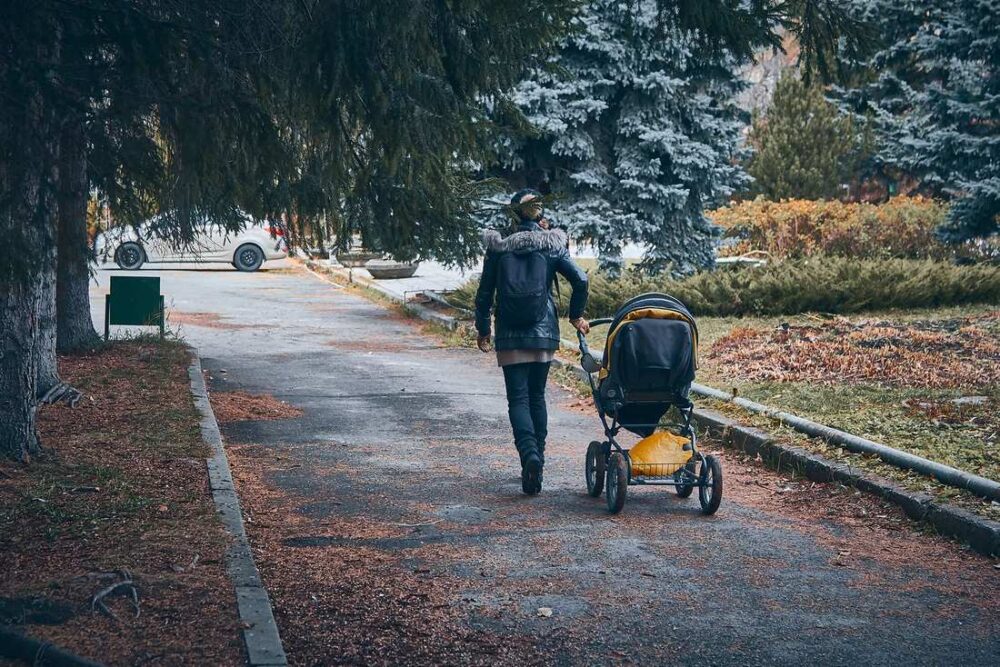
Leaving home with a baby can mean preparing for a feed, a nap, changing weather and an unexpected delay. A useful outing plan begins with where you are going and how long you will be away. This guide helps you choose what matters for that trip, check the destination and share the work. It does not require a new travel system for every activity.
Plan the destination before the bag
Ask a few practical questions: how will you get there, where can you change the baby and what happens if the trip takes longer? For a visit, ask the host about the actual space rather than assuming baby equipment will be available. Check opening hours and access arrangements directly with the venue when they matter to the trip.
Try a short familiar outing before a complicated all-day plan if that suits your household. The purpose is to learn which tasks take time and which supplies you actually use. A return home earlier than planned is useful information, not a failed test of parenting.
Choose a realistic departure window and leave room for a feed or change. Avoid assigning every preparation task to one adult by default. Another person can check the route, prepare food for adults or confirm the destination while the baby is cared for.
Use a car seat that fits the child and vehicle
Transport Canada recommends keeping children rear-facing until they reach the seat’s height or weight limits. Choose a Canadian-compliant seat with the National Safety Mark, follow its instructions and the vehicle manual, and check applicable provincial or territorial requirements. Moving to the next stage is not a reward for reaching a birthday. [1]
For a borrowed vehicle, arrange enough time to fit the seat correctly before the journey. Do not improvise an installation because a taxi or relative is waiting. Ask a qualified child-passenger-safety service for help when you are uncertain about the fit or instructions.
Keep the seat manual accessible without posting your child’s personal information. If several adults drive, agree who checks the harness and setup before leaving. A familiar seat still needs attention when the vehicle, clothing or child’s size changes.
Give the stroller a quick check
Health Canada advises using the harness, checking brakes and wheels, and following height and weight limits. Apply brakes when stopped and while helping the baby in or out. Keep hands and feet clear during adjustments. Do not hang bags from handles or use a stroller on stairs or an escalator. [2]
Pack belongings in the storage space allowed by the manufacturer, within its limits. Check the instructions for accessories rather than attaching a product because it appears to fit. Plan an accessible route; if the elevator is unavailable, choose another safe route instead of carrying an occupied stroller up stairs.
Arrange sleep at the destination
Health Canada explains that seated and inclined travel products are not regular sleep spaces. If a baby falls asleep in a car seat, stroller or carrier, transfer them to an appropriate safe sleep space on arrival. Check the specific guidance for travel products and bassinet attachments before relying on them for a nap. [3]
For a long visit, ask where the baby can sleep before you arrive. A host’s spare adult bed or a padded lounge product should not be accepted as a substitute because it looks cosy. If suitable arrangements are unavailable, change the visit plan rather than making an improvised sleep space.
Write the sleep arrangement on a shared trip note so the adult packing knows what is already provided. Confirm the product model and instructions when borrowing equipment. A photograph of a room does not show whether a product meets the relevant Canadian requirements.
Pack feeds around the facilities you have
Describe the actual feeding plan: breast/chestfeeding, expressed milk, formula and any solids. Work out where supplies can be stored and prepared according to the guidance for that food or milk. Do not assume an insulated bag makes any storage duration safe.
For solids, bring a familiar suitable preparation when helpful and a way to manage clean and used utensils separately. Ask about seating at the destination. Keep feeding supervised and unhurried rather than offering unfamiliar food while managing moving transport or a rushed queue.
Include the adult’s food and water in the plan. If expressing is part of your routine, think through equipment, privacy, cleaning and milk storage. A baby packing list is incomplete if it leaves the feeding adult with no workable arrangement.
Build a small core bag
Create a list based on one ordinary trip: diapers, changing supplies, spare clothing, feeds and any individually required medication or care instructions. Add weather or destination items only when needed. Keep emergency contacts available and protect the baby’s personal information if the bag is lost.
After the trip, note what ran out and what never left the bag. Replenish used items while the trip is fresh in your mind. A small restocking routine can save more effort than buying duplicate sets for every possible outing.
Prepare for a change of plan
Agree who decides to leave if the baby or adult becomes unwell or overwhelmed. Know how you will get home and who can help if transport changes. For overnight or international travel, ask appropriate official services about health preparation and transport requirements well ahead of departure; this guide does not cover those rules.
A manageable outing is one where the important care arrangements remain clear even if the timetable changes.
Sources and further reading
Our practical examples and planning tools are original editorial suggestions. Health and safety points are linked to the Canadian sources below. Checked October 20, 2026; this article has not been medically reviewed.
General education for parents and caregivers. These guides do not assess your child or replace care from a qualified professional. For advice about your pregnancy or child, contact your care team.
Stay a little longer
More for this chapter.
Feeding
First foods, iron and safer mealtimes
Offer variety while paying attention to texture, supervision and your baby’s cues.
Safety
Make room for a newly mobile baby
Revisit your home as reaching, rolling, crawling and pulling up change what is accessible.
Play & development
Crawling, standing and first shoes: prepare the space
Make room for exploration, reassess furniture and choose footwear for its actual purpose.