Crawling, standing and first shoes: prepare the space
Play & development
Crawling, standing and first shoes: prepare the space
Sources checked · Editorial guide
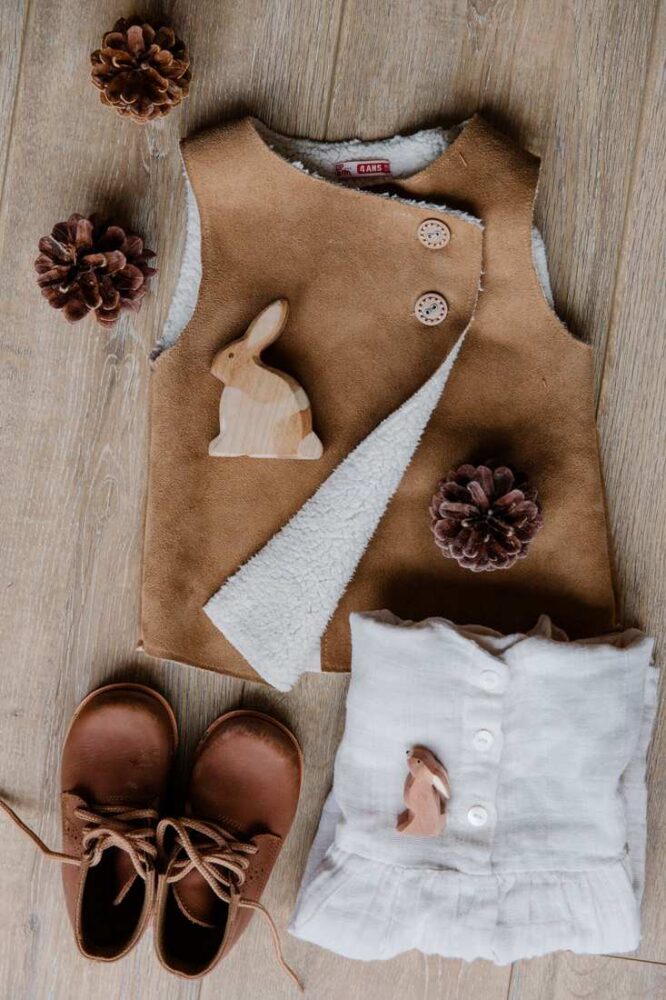
A baby who once stayed on a mat may suddenly reach a shelf, pull up beside a sofa or investigate the hallway. New movement changes the room before it changes the shopping list. This guide helps you look at the space, reconsider equipment and prepare for shoes when they have a useful role. It is not a timetable your baby must follow.
Start with what your baby can reach today
Sit on the floor and look around from a low position while another adult supervises the baby. Notice low shelves, dangling cords, small objects and things an adult leaves beside a chair. Walk through the route between the play area, kitchen and bathroom rather than checking only the nursery.
Make a written list with two columns: change now and check again. Act on hazards immediately; use the second column for routine reassessment as reach changes. A room that was suitable last month should not be assumed suitable after a new skill appears.
Choose a clear play area that fits your household. Keep the adult’s practical needs in mind too: a place to put a drink away from the baby, a way to enter without stepping over toys and an arrangement that permits close supervision. Attractive storage is less useful if it constantly spills small parts into the play space.
Secure furniture before it becomes a climbing route
Health Canada warns that furniture, televisions and appliances can tip when children climb or pull on them. Follow anchoring instructions, use appropriate restraints and avoid placing tempting items where a child may climb to reach them. Supervision does not replace securing furniture. Recheck anchors and installation when furniture is moved. [1]
Work through the rooms the baby actually visits, including a relative’s living room. Ask where furniture restraints are fitted rather than assuming a heavy-looking dresser cannot tip. If you rent or are unsure about installation, ask the landlord or a qualified installer how to secure the item correctly.
Remove a setup you cannot make suitable instead of depending on a verbal rule the baby cannot understand. For an item awaiting repair or installation, prevent access in a reliable way. “We will watch more closely” should not become a permanent substitute for a physical correction.
Offer opportunities without buying a walking solution
Keep a few suitable objects available and rotate them when useful. An adult can sit nearby, talk about what the baby notices and respond to their interest. You do not need to turn every floor session into a coached achievement or compare progress through social media videos.
Canada prohibits wheeled baby walkers that support a baby in an enclosed seat while the feet propel the device. They may still appear online or second-hand. Do not buy or use one because a listing ships to Canada or claims it helps walking. Check Health Canada’s warning and the current recall database. [2]
For any other equipment, read the actual age, weight and developmental instructions. Marketing photographs do not establish suitability. If you are considering a support product because movement seems painful, unusual or difficult, ask a professional about the concern before purchasing a device to solve it.
Understand what first shoes are for
The Canadian Paediatric Society says babies who are not walking do not need shoes. Once walking, footwear can protect the feet and provide grip. Most children do not need corrective footwear for ordinary foot development. Ask a provider about pain or a specific concern rather than buying a shoe advertised to correct a presumed problem. [3]
Think about the surface and weather before shopping: a clean indoor area is different from a pavement or a damp playground. Keep the purchase tied to an actual need. An expensive pair that is difficult to put on, uncomfortable or unsuitable for the outing will not become more useful because it is labelled a first-walker shoe.
Check fit on the child
CPS recommends trying shoes on the child, checking a snug heel and enough space for the toes. Look for comfort, protection and suitable grip. Size labels are a starting point, not proof of fit, and growing feet need reassessment. Higher ankle coverage does not automatically mean better support. [3]
Bring the socks you expect the child to wear. Open the shoe fully and check both feet rather than pushing a foot into a tight opening. Watch the child move if they are walking. Keep receipts and understand the return policy before wearing shoes outside.
When comparing products in the catalogue, use size, fastening, material and intended conditions to narrow the list. Confirm the manufacturer’s sizing and actual fit before buying. A catalogue age tag cannot replace that check.
Share the room changes with other adults
Tell caregivers which spaces are available and what has changed. Show the secured furniture, storage and equipment instructions. Ask them to keep adult bags, medication and small objects out of the baby’s reach when arriving, rather than assuming the usual room arrangement covers visitors’ belongings.
When something concerns you
Take a short factual note to your child’s provider: which movement you see, whether it happens on both sides, any apparent pain and when it changed. Ask whether assessment or developmental support is appropriate. A product review or comparison with a sibling is not an assessment, and you can raise a concern before deciding what label might explain it.
Your useful next step may be moving furniture or arranging a conversation, not adding another item to the checklist.
Sources and further reading
Our practical examples and planning tools are original editorial suggestions. Health and safety points are linked to the Canadian sources below. Checked October 20, 2026; this article has not been medically reviewed.
General education for parents and caregivers. These guides do not assess your child or replace care from a qualified professional. For advice about your pregnancy or child, contact your care team.
Stay a little longer
More for this chapter.
Feeding
First foods, iron and safer mealtimes
Offer variety while paying attention to texture, supervision and your baby’s cues.
Safety
Make room for a newly mobile baby
Revisit your home as reaching, rolling, crawling and pulling up change what is accessible.
Safety
Baby outings: feeds, sleep, transport and a lighter bag
Plan a manageable trip without turning every outing into a major packing project.