Make room for a newly mobile baby
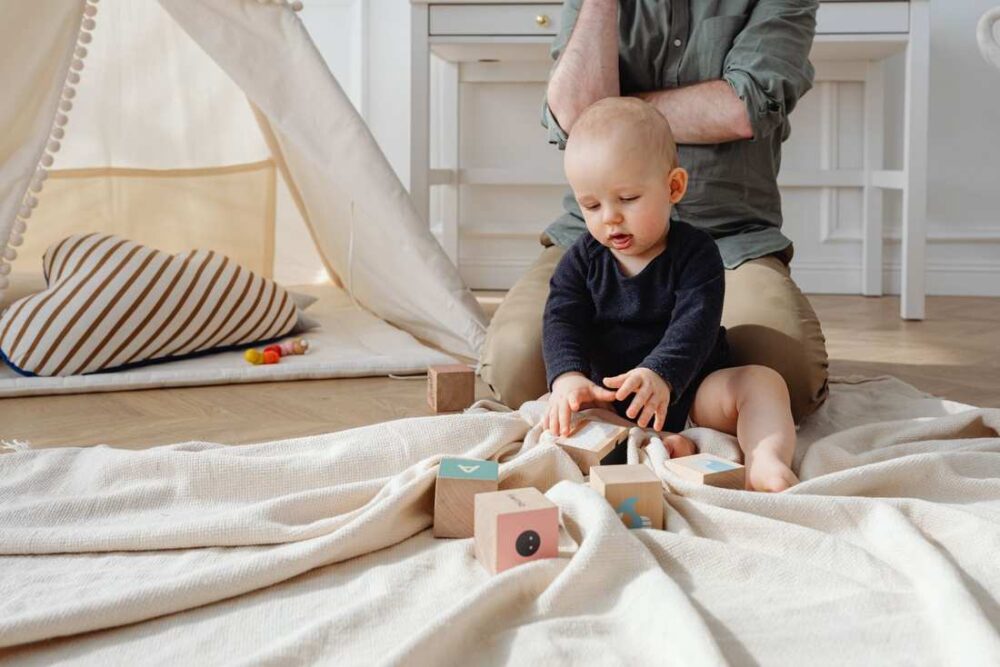
A newly mobile baby changes how you see an ordinary room. The low shelf becomes reachable, a bag on the floor becomes interesting and a cable can suddenly be pulled. You do not need to buy every safety gadget at once, but you do need a plan for the hazards that matter now and for the next movement skill that may appear unexpectedly.
Take a floor-level tour
Choose one room and look around from your baby’s level. Check what can be reached, pulled, opened, mouthed or climbed. Public Health Agency of Canada guidance highlights stairs, windows, hot surfaces, water, medicines and household chemicals as important home-safety concerns. Safety measures need updating as your child becomes more mobile. [1]
Use three headings: “Act now”, “Need advice or equipment” and “Check again”. Put a loose coin under “Act now”; remove it immediately. A staircase barrier may need correct measurements and installation advice. A room the baby cannot access today still belongs on the review list for later.
Include places adults temporarily put things: handbags, laundry baskets, shopping bags and the floor beside a desk. These change more often than the furniture. Make a designated adult-only place for items that should not be within reach, and tell visitors where to leave their bags.
Secure furniture before climbing starts
Health Canada warns that furniture and televisions can tip when children pull up or climb, even when they look stable. Anchor appropriate furniture and televisions using the manufacturer’s instructions and suitable hardware for the wall or furniture type. Keep tempting objects from encouraging climbing and do not treat weight or appearance as proof of stability. [2]
Make an inventory of dressers, bookcases, television stands and appliances in spaces your child can enter. Write down what is already secured and what remains uncertain. If you rent, ask the landlord about installing appropriate anchors; a safety question is worth resolving rather than assuming you cannot make any changes.
Plan the work when another adult can supervise the baby elsewhere. Keep tools, screws and packaging out of reach during installation and clear the area afterwards. Take the same approach in a relative’s home if the baby regularly spends time there.
Make stairs, windows and cords specific tasks
Measure openings before buying barriers and read where a product is intended to be installed. The top of a staircase, a doorway and an unusual opening may require different solutions. Follow the actual product’s instructions and get appropriate installation help when needed; do not improvise a barrier from furniture.
For windows, consider what furniture could become a climbing step. Check accessible blind and monitor cords, including cords pulled from behind a dresser. Health Canada’s nursery guidance explains why sleep spaces should be away from reachable cords, windows and climbable furniture. Carry that review into the rest of the rooms the baby uses. [3]
Make “close the gate” part of an adult handover rather than assuming a fitted gate always remains closed. Check whether older children and visitors can operate it correctly. If a device is inconvenient enough that everyone leaves it open, the plan needs revisiting.
Treat small batteries as an urgent hazard
Button batteries can cause severe internal injury if swallowed, including when they are used or apparently flat. Check remotes, lights, toys and other devices for secure battery compartments, and store loose and used batteries safely away from children. If you suspect your child swallowed a battery, go to an emergency department immediately; do not wait for symptoms. [4]
During your room tour, collect all battery-powered items into a written list. Check each compartment instead of looking only for batteries lying loose. Tell anyone replacing batteries where the used ones must go and how to keep them out of reach until proper disposal.
Give older children an age-appropriate explanation: tell an adult if a device breaks, a compartment opens or a small part goes missing. Do not assign them responsibility for keeping the baby safe; adults still need to supervise and maintain the environment.
Plan for water, heat and household products
Before bath time, gather what you need so the supervising adult can stay with the child. Empty water containers after use and prevent access to places water can collect. Keep medicines and cleaning products in secure storage, in their original containers, rather than relying on a child-resistant lid alone. The public health home-safety guidance covers these everyday risks. [1]
In the kitchen, think through where the baby will be while food is prepared. Move hot drinks, dangling cords and items that can be pulled down out of reach. A safe area for the baby and a clear division of supervision can make busy mealtimes easier to manage.
Repeat the check after visitors, a delivery or a home project. Temporary situations often introduce new items: medication in a travel bag, a bucket from cleaning or packaging on the floor. Make the reset part of finishing the task, not something to remember later.
A weekly five-minute reset
- Check barriers, anchors and other installed devices for damage or looseness.
- Clear floors and low surfaces of small or hazardous items.
- Review cables and furniture as reach and climbing change.
- Confirm medicines, chemicals and batteries are securely stored.
- Ask whether any new room, visitor routine or caregiver needs a safety review.
Keep supervision part of the plan
Safety equipment reduces particular risks; it does not make a home hazard-free or replace a responsible caregiver. At handover, name who is supervising and explain anything temporarily different. If an injury or suspected poisoning occurs, seek appropriate urgent advice rather than using the absence of an obvious mark to decide everything is fine.
Sources and further reading
Our practical examples and planning tools are original editorial suggestions. Health and safety points are linked to the Canadian sources below. Checked October 20, 2026; this article has not been medically reviewed.
General education for parents and caregivers. These guides do not assess your child or replace care from a qualified professional. For advice about your pregnancy or child, contact your care team.
Stay a little longer
More for this chapter.
Feeding
First foods, iron and safer mealtimes
Offer variety while paying attention to texture, supervision and your baby’s cues.
Safety
Baby outings: feeds, sleep, transport and a lighter bag
Plan a manageable trip without turning every outing into a major packing project.
Play & development
Crawling, standing and first shoes: prepare the space
Make room for exploration, reassess furniture and choose footwear for its actual purpose.