Toddler water safety: make supervision explicit
Safety
Toddler water safety: make supervision explicit
Sources checked · Editorial guide
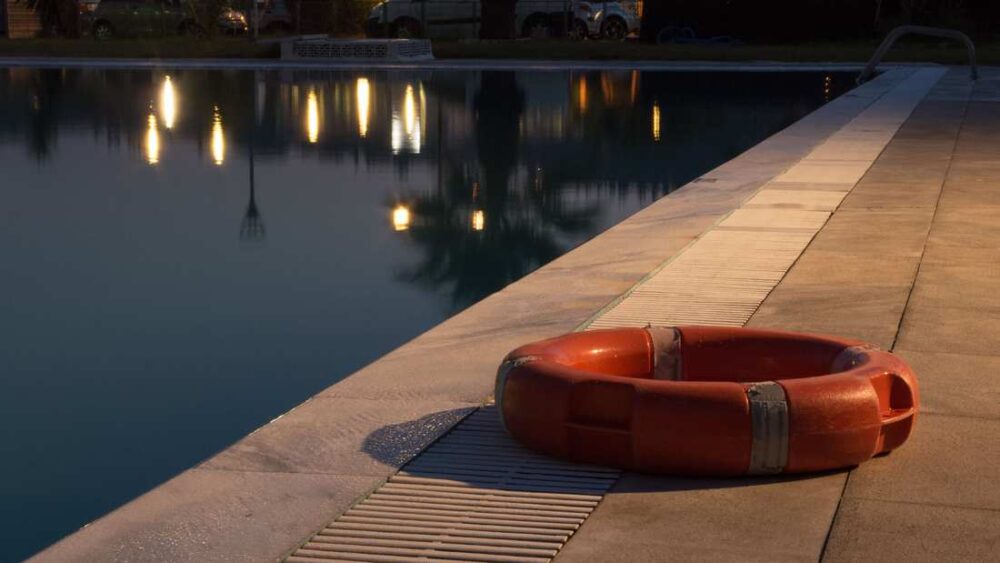
Water safety is part of ordinary home life, not only a summer swimming lesson. A bath, a backyard pool or a visit near a pond can need a different arrangement from yesterday’s playtime. The most useful plan makes adult responsibility explicit and prevents unintended access. This guide helps you organise those layers before a toddler reaches the water.
Name the adult who is supervising
The Canadian Paediatric Society recommends keeping toddlers within an adult’s arm’s reach whenever they are in or near water. An adult must supervise continuously, including at baths, pools and beaches. A flotation toy, a swimming lesson or another child does not replace that adult. [1]
At a gathering, say who is responsible rather than assuming every adult is watching. The supervising person should be close, attentive and able to respond. If they need the bathroom, a phone call or a break, another capable adult must explicitly accept the handover before they leave.
Use a clear exchange: “Can you take over watching Noor at the water now?” Wait for an answer and make sure the new person is in place. This simple household practice is more dependable than interpreting a glance across a crowded yard.
Prepare the bath before bringing the child
Collect the towel, clean clothing and washing supplies first. Put your phone away from the task and arrange for another adult to answer the door if possible. If you must leave, take the child with you; do not ask them to sit still while you fetch a forgotten item.
Do not use a bath seat as a way to free the supervising adult for other work. Keep the required adult presence even when the child can sit or stand. A new movement skill changes what they can reach, not the need for supervision.
Agree the routine with every caregiver, including relatives who only occasionally do bath time. Show where supplies are stored and how you manage interruptions. Leave practical instructions, rather than assuming someone who has raised children uses the same current safety approach.
Check access when you arrive somewhere new
Before setting down bags, identify nearby water: an unfenced pool, hot tub, pond, rain-filled container or open bathroom. Ask the host directly about barriers and how doors and gates are secured. A conversation about supervision is appropriate even for a brief visit.
If access is not controlled adequately, change the arrangements before allowing the toddler to explore. Stay with the child while another adult moves belongings or finds an alternative space. Do not rely on “she usually stays beside me” in an unfamiliar setting.
A portable pool should not be treated as a toy that can remain available without a plan. Decide who empties and stores it after use and who checks the yard before the next play period. The task needs a named adult, just like supervision.
Understand the role of barriers
CPS recommends four-sided fencing with a self-closing, self-latching gate for backyard pools, and emptying portable toddler pools after use. Follow local requirements and ensure gates actually close and latch. A barrier helps prevent unintended access; it does not replace close supervision while a child is near or in the water. [1]
Check barriers after visitors arrive, equipment is moved or maintenance is done. Keep items that could provide a climbing route away from a fence. Ask a qualified installer or local authority about a setup you are unsure meets the applicable requirements.
Do not treat a door alarm or pool cover as permission to leave a toddler unattended near water. Ask what each device is designed to do and what protection it does not provide. A product comparison should not turn a single accessory into the whole safety plan.
Choose flotation equipment for its real purpose
CPS advises using an approved lifejacket or personal flotation device of the correct size where appropriate, with straps fastened. Water wings, neck rings and flotation toys are not safety devices. Check the approval label, weight range, fit and instructions; adult supervision remains necessary. [1]
Ask a qualified instructor or boating-safety service about equipment for the actual activity. A toddler’s age alone does not establish fit. Do not buy an unlabelled product because the photograph resembles a lifejacket or because an online seller uses the word safe.
Treat lessons as practice, not a guarantee
When choosing a class, ask how adults participate, how many children attend and what safety skills are taught. Tell the instructor about relevant health needs and ask how they handle distress. Do not force a child into an exercise because another child appears comfortable.
Keep your usual supervision plan before and after the lesson, including in changing areas and while packing. The transition out of a class can be distracting when bags, siblings and transport all need attention.
Prepare for an emergency without delaying help
Consider recognised child CPR and first-aid training for regular caregivers. Know the location and how to contact emergency services at a pool or remote destination. If a child is missing near water, act immediately; if there is a drowning emergency, call 911 or the local emergency number and follow dispatcher instructions.
This guide cannot teach rescue or CPR technique. Training, clear responsibility and a prepared environment are practical steps you can arrange before the next visit.
Sources and further reading
Our practical examples and planning tools are original editorial suggestions. Health and safety points are linked to the Canadian sources below. Checked October 20, 2026; this article has not been medically reviewed.
General education for parents and caregivers. These guides do not assess your child or replace care from a qualified professional. For advice about your pregnancy or child, contact your care team.
Stay a little longer
More for this chapter.

Feeding
Toddler meals with less pressure
Keep offering suitable food while giving your child room to learn about eating.

Everyday care
Big feelings and kind, clear limits
Use simple guidance while your toddler is still learning how to manage frustration.
Play & development
Biting and hitting: respond, protect and teach
A practical plan for difficult moments with siblings, playmates and childcare.