Biting and hitting: respond, protect and teach
Play & development
Biting and hitting: respond, protect and teach
Sources checked · Editorial guide
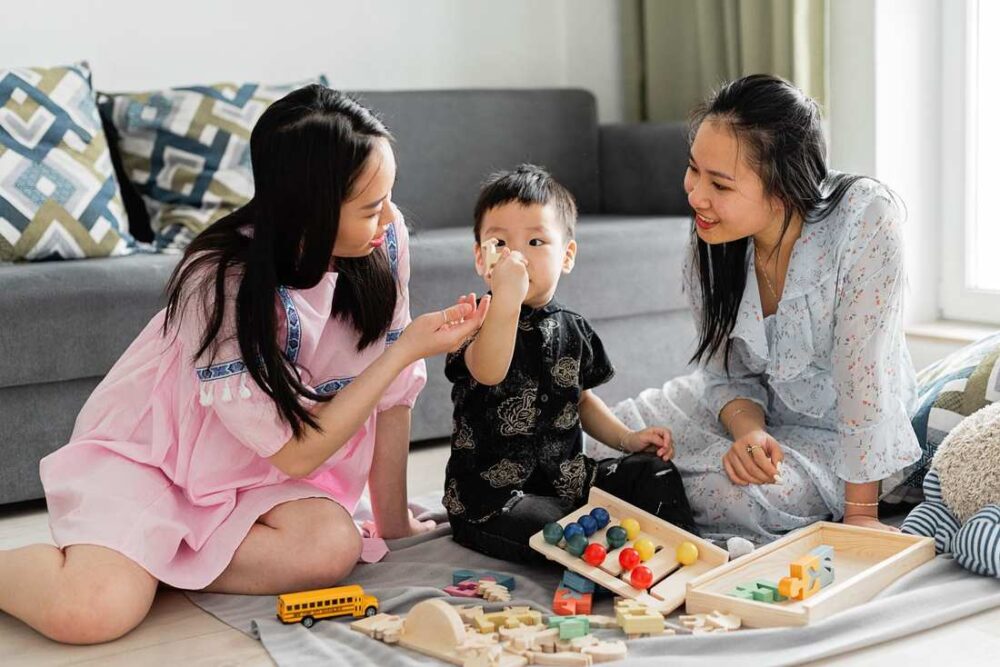
Seeing your toddler bite or hit another child can bring embarrassment, anger and worry at once. Being the parent of the hurt child can be upsetting too. The immediate task is care and safety, followed by a clear response and a prevention plan. This guide helps adults work together without labelling a child as bad or expecting a toddler to manage the whole situation alone.
Stop the harm and attend to the child who is hurt
Move close and prevent further contact calmly. Help the children have enough space while an adult attends to any injury. Use a brief statement such as “I will stop you hitting. Hitting hurts.” You do not need a long explanation while either child is distressed.
If another adult is present, divide the tasks: one provides care, the other stays with the child who hit or bit. If you are alone, prioritise immediate safety and getting help when needed. Do not leave young children to negotiate an unsafe situation because you want them to learn independence.
For a bite that breaks skin, significant injury or uncertainty about wound care, seek medical advice promptly. Follow the childcare service’s injury and public-health procedures where applicable. Do not assume an internet guide can decide whether a particular injury needs treatment.
Keep the response clear and non-physical
HealthLink BC recommends simple, direct language, redirection and teaching another way to express feelings. Do not bite back, hit, pinch or wash a child’s mouth with soap. Watch for situations that precede biting so an adult can intervene earlier, rather than waiting for repeated injuries to prove a pattern. [1]
Avoid demanding a lengthy apology or explanation your toddler cannot provide. You can model care by helping the injured child and later showing a useful alternative. A forced hug is not necessary to repair the moment, especially if the other child does not want contact.
If you feel too angry to respond safely, ask another responsible adult to take over when available. Make sure the children remain supervised. Calm does not mean pretending the behaviour is acceptable; it helps you carry out the limit without adding more harm.
Record what happened before the incident
For a few incidents, note the time, activity, nearby people and what happened immediately beforehand. Examples might include a crowded doorway, a toy being taken or a rushed transition. Write observations rather than motives: “Two children reached for the truck” is more useful than “He wanted to ruin the game.”
Look for an environmental change you can make. Give more space around a popular activity, reduce waiting without something to do, or have an adult close during a recurring difficult transition. Try one practical adjustment and review it with the other caregiver.
Do not turn the note into a public behaviour chart or a label used in front of siblings. Keep the information private and share it only with people helping care for the children. The record is there to support a plan, not build a case against a toddler.
Teach the alternative outside the crisis
CPS describes positive discipline as teaching within a warm, trusting relationship. Acknowledge feelings, state the behaviour you want and keep expectations appropriate to development. Physical punishment and shaming should not be used. The adult still sets a firm limit on actions that hurt someone. [2]
Practise a small alternative during calm play: handing an adult a toy to request help, saying or signing “stop”, or moving away with support. Use language your child can actually manage. Model it repeatedly rather than expecting a new phrase to appear automatically during distress.
For example, while playing with two vehicles you might say, “You want that one. Ask for help.” If conflict begins, help the child act on that option. Do not merely repeat “use your words” to a child who does not yet have the words they need.
Notice the behaviour you want to grow
HealthLink BC recommends clear requests, predictable routines, appropriate choices and specific positive feedback. Describe what your child did: waiting briefly, handing something over or using a gentle touch. Keep expectations small and realistic rather than praising a fixed identity such as always being the good child. [3]
If siblings are involved, avoid assigning one permanent role as the aggressor and the other as the victim. Protect each child and observe the actual interaction. A younger child’s limited language does not mean an older child must accept being hurt.
Make a shared childcare plan
Ask the caregiver what supervision and changes will happen, how incidents are recorded and when you will review the plan. Clarify how both children receive care and how privacy is protected. Focus on the service’s response rather than demanding another family’s personal information.
Agree the short language adults will use and the practical alternative being taught. If different settings show different patterns, share that information without blame. Ask for a dedicated conversation instead of trying to resolve repeated incidents in a busy pickup line.
Ask for support when the pattern persists
Talk to a health professional if harm is frequent, severe, worsening or difficult to manage, or if you have concerns about communication, pain or development. Bring your notes and the changes already tried. You do not need to decide a diagnosis before requesting help.
A useful plan protects other children today and gives your toddler support to learn a different response over time. Both parts matter.
Sources and further reading
Our practical examples and planning tools are original editorial suggestions. Health and safety points are linked to the Canadian sources below. Checked October 20, 2026; this article has not been medically reviewed.
General education for parents and caregivers. These guides do not assess your child or replace care from a qualified professional. For advice about your pregnancy or child, contact your care team.
Stay a little longer
More for this chapter.

Feeding
Toddler meals with less pressure
Keep offering suitable food while giving your child room to learn about eating.

Everyday care
Big feelings and kind, clear limits
Use simple guidance while your toddler is still learning how to manage frustration.

Everyday care
Make the most of toddler checkups
Bring your observations and questions about growth, development and everyday routines.