Cups, water and milk: changes towards the first birthday
Feeding
Cups, water and milk: changes towards the first birthday
Sources checked · Editorial guide
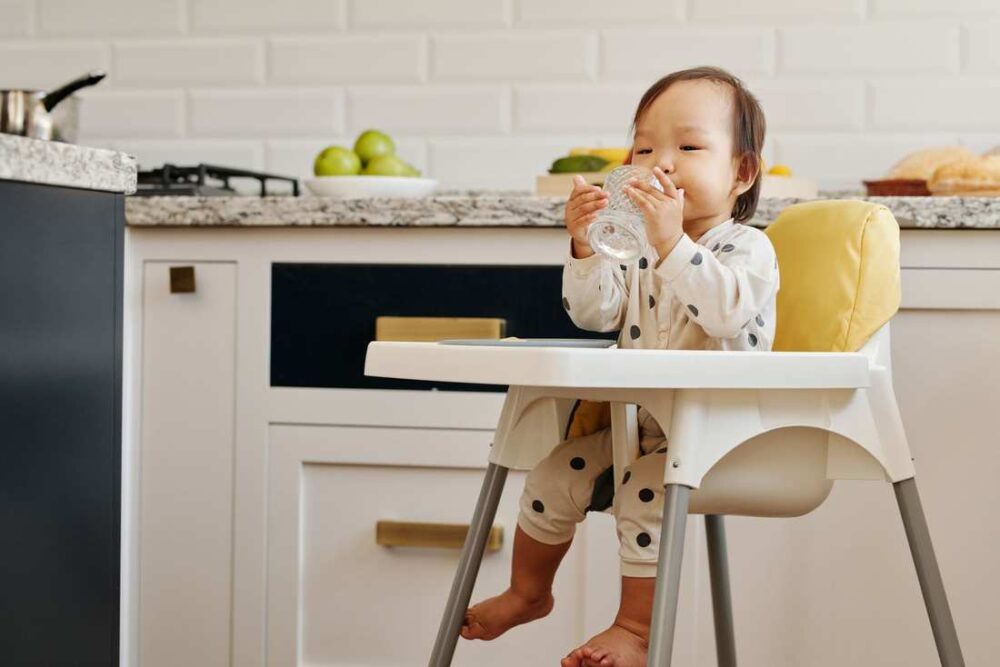
The move from milk-only feeding towards family meals involves several changes that do not have to happen on the same day. A cup is a skill to practise. Water has a role alongside feeds. Switching the main milk drink is a separate nutrition decision. This guide helps you keep those questions distinct and make a plan that fits the baby in front of you.
Start with the feeding pattern you have
Write down an ordinary day without judging it: milk feeds, meals offered, cup practice and any difficulties. Include what happens away from home. This gives a provider or dietitian useful information if you need advice, and helps adults avoid making conflicting changes at the same time.
If your baby was premature, has growth or swallowing concerns, uses a specialist formula or follows an individual feeding plan, ask the treating team before changing milk or textures. General recommendations for healthy term infants are not a substitute for that plan.
Choose one practical question for the week. Perhaps it is finding a cup the caregiver can hold comfortably or checking whether iron-rich foods are regularly available. You do not need to replace every bottle, feeding tool and familiar meal in a single shopping trip.
Treat an open cup as a learning opportunity
Health Canada recommends offering an open cup when introducing foods at around six months. A baby can practise with adult help rather than waiting to drink independently. Small amounts make practice manageable. Keep the baby upright and supervised, and use a cup suitable for the task rather than assuming a spout or training system is required. [1]
Try at a time when you can sit with the baby and manage a spill. Hold the cup with them as needed and watch their response. If practice is frustrating, pause and try another time; the meal does not have to become a long lesson.
Keep a cloth nearby and use an easy-to-clean surface. Choose a simple cup you can inspect and wash properly. If you use a different cup for outings, show every caregiver how it opens and is cleaned. A complicated valve that stays dirty is not an advantage simply because the package promises fewer spills.
Offer water without replacing milk feeds
HealthLink BC describes offering water in a cup with meals after about six months. Breast milk or infant formula remains important during the first year; water should not displace needed milk feeds. Follow any individual advice about fluids, especially if your baby is unwell or has a health condition. [2]
Avoid estimating what your baby needs from the size of a marketed water bottle. Look at the whole feeding pattern and ask a professional if intake concerns you. Do not dilute formula to provide extra water; prepare it exactly according to the appropriate instructions.
For a day out, plan access to suitable water, milk storage and feeding facilities separately. Having a cup in the bag does not remove the need for the milk feeds your baby normally receives. Share that distinction with relatives who may interpret solid-food eating as a sign milk feeds should stop.
Keep iron-rich foods in view
HealthLink BC recommends iron-rich foods from around six months, offered at least twice daily. Options include appropriate preparations of meat, fish, beans, lentils, tofu and iron-fortified infant cereal. Family foods need a suitable texture, and feeding should respond to the baby’s hunger and fullness cues rather than a clean-bowl target. [2]
Make a short list of iron-rich ingredients you already buy. Put one beside the meal plan so a rushed lunch does not repeatedly become only fruit or crackers. For a vegetarian household, ask a dietitian about the overall pattern if you are unsure how to meet needs.
Think in ingredients rather than expensive baby-branded portions. A family meal may provide a suitable component after the necessary preparation. Do not assume food is appropriate solely because it is soft; ingredients, texture and the baby’s feeding skills all matter.
Discuss the main milk drink separately
Canadian guidance allows pasteurized whole cow milk as the main milk drink between nine and twelve months when a baby is eating a variety of iron-rich foods. Continued breastfeeding is supported. Plant-based beverages are not nutritionally interchangeable with breast milk or infant formula for a baby; ask for individual guidance when avoiding cow milk. [1]
Ask your provider which timing and product fit your baby. Clarify what should continue, what changes and how to handle feeds in childcare. Do not use the first birthday as a reason to stop an individually prescribed formula without review.
For mixed household routines, write the exact product on the plan. “Milk” is too vague when several cartons or powders are in the kitchen. Include preparation instructions where relevant and ensure caregivers understand the difference between an ingredient used in food and the baby’s main drink.
Protect the pace of meals
Give the baby time to explore food and stop when they have had enough. Keep the cup within the supported meal routine rather than repeatedly prompting another drink or bite. If feeding regularly involves coughing, choking, pain, distress or difficulty progressing, seek a professional assessment instead of buying more accessories to work around it.
A clear transition note
- Current milk plan and any professional instructions.
- Cup practice and water offered alongside meals.
- Regular iron-rich food choices in suitable textures.
- Any proposed main-milk change discussed separately.
- A follow-up contact for feeding or growth concerns.
The goal is a clear, nourishing routine that every caregiver can understand. The cup and the calendar are tools, not deadlines for mastering every feeding skill.
Sources and further reading
Our practical examples and planning tools are original editorial suggestions. Health and safety points are linked to the Canadian sources below. Checked October 20, 2026; this article has not been medically reviewed.
General education for parents and caregivers. These guides do not assess your child or replace care from a qualified professional. For advice about your pregnancy or child, contact your care team.
Stay a little longer
More for this chapter.

Feeding
First foods, iron and safer mealtimes
Offer variety while paying attention to texture, supervision and your baby’s cues.

Safety
Make room for a newly mobile baby
Revisit your home as reaching, rolling, crawling and pulling up change what is accessible.

Safety
Baby outings: feeds, sleep, transport and a lighter bag
Plan a manageable trip without turning every outing into a major packing project.