Expressing and storing milk: a workable household plan
Feeding
Expressing and storing milk: a workable household plan
Sources checked · Editorial guide
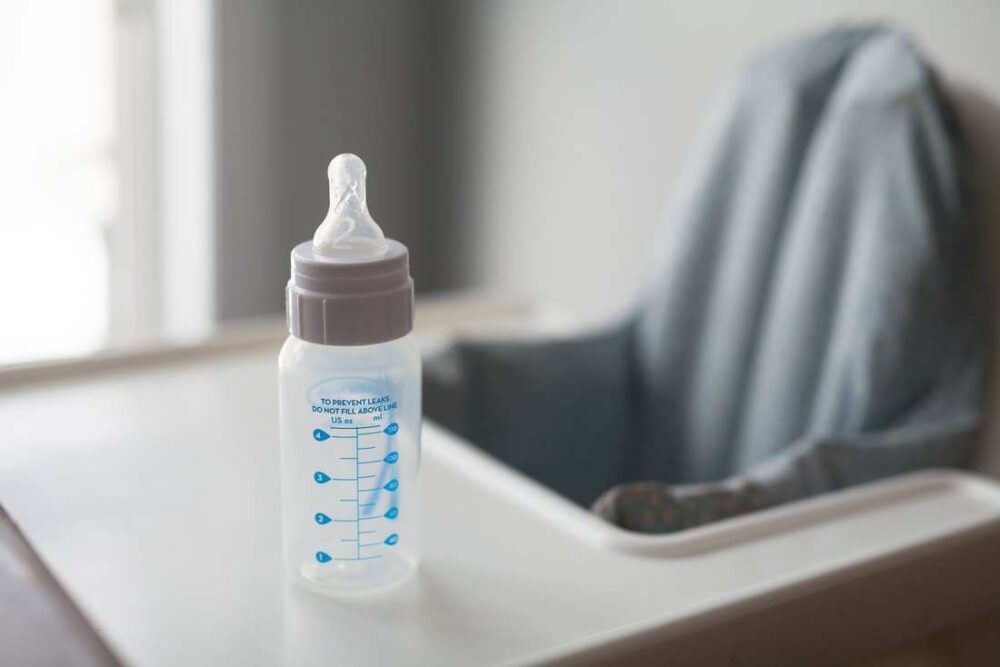
Expressed milk can support different feeding arrangements, but it also introduces equipment, labels and storage decisions. A clear household system is usually more useful than a large freezer collection. This guide helps you organise the work and know which questions to take to a feeding professional, especially when your baby has individual medical needs.
Begin with the reason for expressing
Think about the job you want expressing to do: an occasional feed, a regular separation, feeding difficulties or part of a clinical plan. Tell a qualified feeding professional that goal. Ask whether hand expression, a pump or another approach fits and what follow-up is needed.
If you use a pump, ask about fit, comfort and cleaning the actual model. Read its instructions and ask for a demonstration when needed. Pain or an equipment problem should not become something you assume you must tolerate. Avoid buying several accessories before finding out what the difficulty is.
Plan the work around the whole day, including washing and storage. A feeding arrangement that sounds simple on paper may be difficult if one adult also handles every cleanup and household task. Give a helper a clear job if support is available.
Use appropriate containers and labels
The Canadian Paediatric Society recommends clean containers intended for storing expressed milk and marking them with the date. Its guidance also covers thawing and preparing a feed. Follow a care team’s more specific instructions for a premature or medically vulnerable baby rather than treating household maximum storage times as universal. [1]
Create a simple label with the expression date and time and any information a childcare service requires. Use a consistent place in the fridge so someone does not mistake milk for an unlabelled household container. Keep used feeding items separate from clean equipment.
Store manageable portions for the feeding arrangement you have agreed, rather than assuming every container must be filled. Make a place for the oldest suitable milk to be used first. If the date or storage history becomes uncertain, ask for advice rather than combining it with another batch to avoid waste.
Choose one clear storage reference
HealthLink BC’s household guidance gives up to four hours at room temperature and three days in a fridge set at 0–4°C, with freezer storage depending on the type and temperature of the freezer. These are limits under suitable handling conditions, not targets to leave milk warm. Use a thermometer and a consistent current plan, and ask for shorter limits when your baby or circumstances require them. [2]
Write the agreed storage rules beside the equipment, including what applies after milk is thawed or a feed has begun. Do not mix together the longest times from several charts. A hospital, milk bank or childcare service may have stricter procedures that you need to follow.
When a caregiver takes over, ask them to explain which container they would use and how they know it is suitable. This is a practical check of the system, not a memory test. If the label leaves them guessing, improve the label.
Thaw and warm without overheating
HealthLink BC advises thawing milk in the refrigerator or using suitable warm water, not a microwave or stovetop. Its guidance allows thawed milk to remain refrigerated for up to 24 hours and says not to refreeze it or reuse milk left after a feed. Check the instructions that apply to your baby and any stricter service requirements. [2]
Prepare the amount needed for the planned feed and keep the remaining stored supply appropriately chilled. Keep the warming container and feeding equipment where an adult can supervise the process. A warming device does not remove the need to follow safe-handling instructions.
If you combine milk from different expressions, ask a qualified professional how to do so safely and how to label the resulting container. Do not assume topping up a cold container with freshly warm milk has the same storage rules as keeping them separate.
Plan for transport and childcare
Ask the receiving caregiver what containers, labels and cold-storage arrangements they use. Confirm who checks the milk on arrival and what happens to unused or partly used milk. A clear written handover avoids different adults assuming somebody else has checked the timing.
For travel, plan how milk remains at an appropriate temperature and what happens if transport takes longer. Keep the milk separate from items that can damage the container or confuse the date. Ask the care team about your particular journey if the storage conditions are uncertain.
Prepare for a power or water interruption
HealthLink BC’s emergency-feeding guidance emphasises safe water, clean equipment and a plan suited to the available conditions. Hand expression can be useful when clean pump equipment or power is unavailable, with appropriate guidance. Emergency circumstances may require different storage decisions; do not assume the ordinary household chart still applies. [3]
Find out how your freezer maintains temperature during an outage and whom to ask about the milk if the history is uncertain. Keep a simple backup feeding discussion with your baby’s provider before an emergency. Never improvise homemade formula or dilute a feed as a substitute plan.
A practical handover checklist
- Which milk is available, with dates and storage history clear?
- Which container should be used next?
- How will it be thawed or prepared?
- What are the discard rules after preparation and feeding?
- Who handles cleaning and checks the equipment afterwards?
If expressing is painful, milk supply worries you or the workload is becoming unmanageable, ask for individual help. The aim is an understandable feeding arrangement that supports the baby and the adults, not a freezer photograph or a target quantity set by social media.
Sources and further reading
Our practical examples and planning tools are original editorial suggestions. Health and safety points are linked to the Canadian sources below. Checked October 20, 2026; this article has not been medically reviewed.
General education for parents and caregivers. These guides do not assess your child or replace care from a qualified professional. For advice about your pregnancy or child, contact your care team.
Stay a little longer
More for this chapter.

Feeding
Getting support with newborn feeding
Find a feeding plan and the right help for your baby and your circumstances.
Sleep
Set up a safer place for every sleep
Start with the sleep surface and keep the space simple.
Everyday care
A calmer newborn bath and clothing routine
Prepare the space, stay hands-on and choose comfortable everyday clothing.