A calmer newborn bath and clothing routine
Everyday care
A calmer newborn bath and clothing routine
Sources checked · Editorial guide
Bathing a small, slippery baby is a skill you learn gradually. It is easier with a prepared space, a clear adult role and a simple sequence. Your baby does not need an elaborate spa routine. This guide helps you organise washing and clothing while keeping supervision and the baby’s comfort at the centre.
Decide whether a bath is needed today
The Canadian Paediatric Society notes that newborns do not need a full bath every day. Gentle washing between baths can keep the face, hands and diaper area clean. Use mild, appropriate products if needed and follow individual advice about skin conditions or the cord area. More frequent washing or more products are not automatically helpful. [1]
Choose a time when you can focus and the baby is reasonably comfortable. If everyone is exhausted, a gentle cleanup and a later bath may be more manageable. Avoid treating a bath as a required bedtime task that must happen even when it makes the evening harder.
For a first attempt, having another adult nearby can be useful. Agree who holds and washes the baby and who passes supplies. If you are alone, prepare the complete sequence before beginning, including how you will lift and dry the baby securely.
Gather everything before adding the baby
Lay out a towel, washcloth, clean diaper and clothing, plus any product you have been advised to use. Put them within the supervising adult’s reach. Clear the surface and remove distractions. Keep the phone away unless you need it for an urgent call; photographs can wait until the baby is safely dressed.
Check the actual bath product’s instructions and where it should be used. Do not place a bath on an unstable surface or improvise supports. Make sure you can hold the baby comfortably without twisting to reach a towel or leaning over another obstacle.
If something is forgotten, take the baby with you. Health Canada warns that a baby must never be left alone in water, even briefly, and that a bath seat is not a substitute for adult supervision. Keep a hand on the baby and remain close enough to respond throughout. [2]
Check water and handling carefully
Health Canada advises checking the bathwater before putting a child in and taking care around hot taps. Hot water can scald quickly. Follow the bath equipment instructions, check water temperature yourself and keep the baby away from the tap. Never assume a temperature indicator or another person’s reassurance replaces your own check. [2]
Ask a nurse or another qualified professional to demonstrate holding and washing if you are unsure. Practise the movements with the equipment before the bath rather than trying to work them out while the baby is slippery. Keep your own footing and the surrounding floor dry.
HealthLink BC describes gentle washing, rinsing and patting dry, including the skin folds. Use its instructions alongside any individual guidance. Keep cleaning careful and avoid inserting objects into the baby’s ears or nose. [3]
Make the end of the bath part of the plan
Open the towel before lifting the baby out and make sure the route to the drying space is clear. Dry gently, put on the diaper and dress the baby in manageable steps. If the baby cries, keep your handling secure and pause rather than rushing because you feel you must finish quickly.
Empty the bath and clear water containers as soon as the baby is safely cared for. Put supplies away and dry the area so another child cannot access standing water or slip. The bath is not finished just because the baby is dressed; the reset matters too.
A helper can wash cloths, put clothing away and restore supplies afterwards. That makes the next bath easier without requiring the same person to do every part of the routine.
Choose clothing for actual care
Think about easy diaper access, comfortable movement and laundry. Check the fit at the neck and limbs and look for loose threads, damaged fastenings or features that could cause a problem. Choose the actual size and product instructions rather than relying only on a package’s age label.
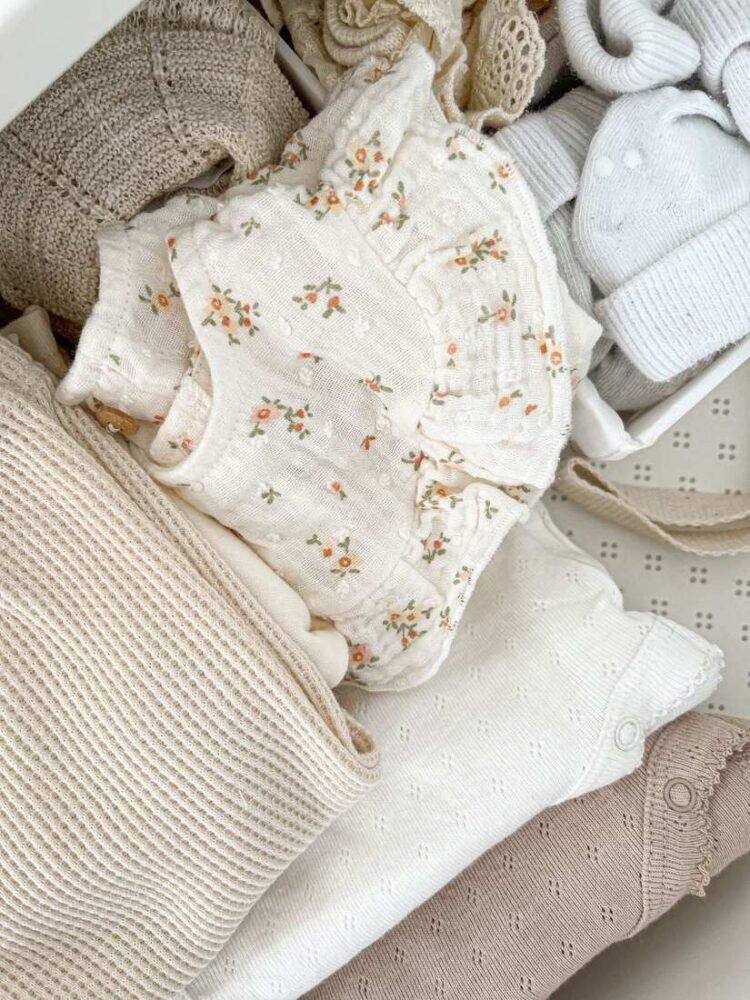
Keep a small set of current-size clothes accessible and store outgrown items separately. A drawer mixed with several sizes can make a night change frustrating. If other adults help, label the simple everyday options rather than keeping the useful outfit only in your head.
For sleep clothing, follow current safe-sleep advice and the product’s fit and use instructions. Do not add loose bedding or accessories to the sleep space because an outfit seems incomplete. If you are uncertain about warmth, ask your baby’s provider how to assess comfort in your room.
Handle skin questions without guessing
If a wash or clothing change is followed by irritation, note the product, timing and area affected. Bring the information to a health professional if the problem persists, causes discomfort or worries you. Avoid repeatedly trying new remedies or using a medicated cream prescribed for someone else.
A baby who is unwell needs medical advice, not simply a different bath routine. Seek prompt help for serious symptoms or concern about a newborn’s condition. Explain the baby’s exact age and any feeding or alertness changes when you call.
Your bath-day checklist
- Towel, clean clothes and supplies ready before beginning.
- Stable setup, checked water and a clear adult supervision role.
- Gentle washing with secure handling throughout.
- Baby dried and dressed; water emptied and the area reset.
- Skin or care questions saved for an appropriate professional.
A short, safe routine that caregivers can repeat is enough. There is no need to make every bath a long event or to buy a large range of bathing products.
Sources and further reading
Our practical examples and planning tools are original editorial suggestions. Health and safety points are linked to the Canadian sources below. Checked October 20, 2026; this article has not been medically reviewed.
General education for parents and caregivers. These guides do not assess your child or replace care from a qualified professional. For advice about your pregnancy or child, contact your care team.
Stay a little longer
More for this chapter.

Feeding
Getting support with newborn feeding
Find a feeding plan and the right help for your baby and your circumstances.
Sleep
Set up a safer place for every sleep
Start with the sleep surface and keep the space simple.

Parent wellbeing
Crying, comforting and taking a breather
A calm plan for crying and a reminder that caregivers need support too.